
As featured in







What is recovery mentoring?
Recovery mentoring is a professional accountability practice for people in long-term recovery from substance use or mental health challenges. It is not therapy. It is not peer sponsorship. It is a structured professional relationship focused on translating insight into action across the daily life of someone building stability.
Most people in early recovery are surrounded by good resources that do specific things well. Therapy addresses the inner work. Twelve-step programs and other peer fellowships provide community, structure, and shared experience. Treatment programs and crisis interventions provide acute stabilization and a clinical foundation.
What none of these things do, by design, is hold a person accountable to the daily mechanics of their new life. The sleep schedule. The exercise routine. The meeting attendance. The honest conversation with the family that has been avoided for months. The phone call to the sponsor did not happen because the person was tired.
That is the work of a recovery mentor. We hold the structure that makes the rest of the work possible. We do this through a professional relationship that is direct, accountable, and built around the specific life the person is trying to build. Based in Los Angeles, we support families across the United States.

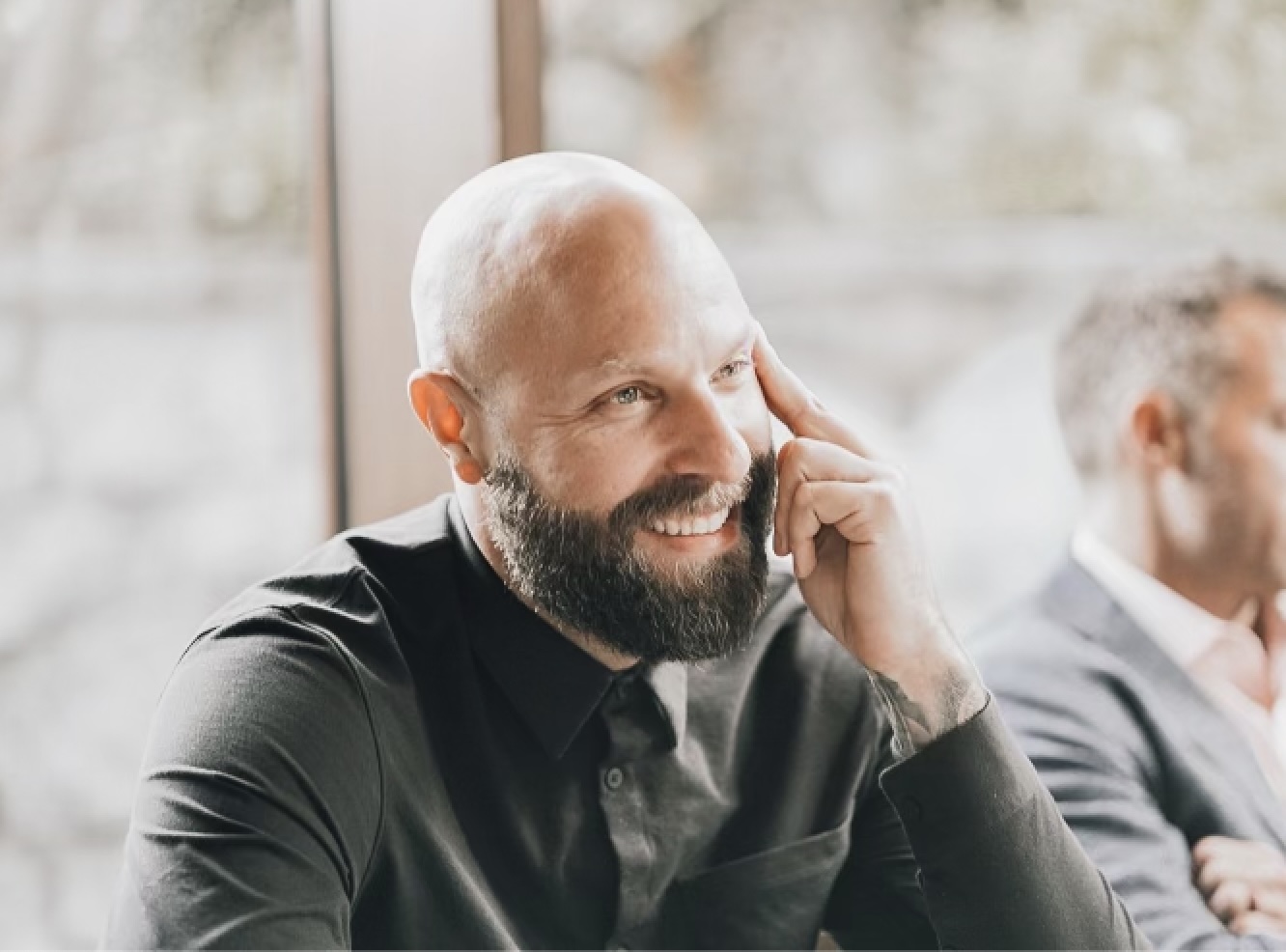
Chris Howard
Chris Howard is the founder of Lifestyle Interventions. Based in Los Angeles, he and the team support families across the United States.
When to call
When Los Angeles families call us
We work with families across Greater Los Angeles when standard approaches have stopped working. Common situations include:
A treatment program is ending and the daily structure that held everything together is about to disappear.
A long stretch of recovery has gotten harder, after a relapse scare, a hard loss, or slow-building pressure.
A young adult in early recovery is trying to build a working life and the old routines no longer fit.
The family has carried the accountability alone for a long time and needs a steady third party to hold it.
A professional or public figure needs recovery support that protects their privacy.
Insurance has ended and the person is not ready to step down to no support.
The process
What recovery mentoring looks like in practice
Every engagement follows a structured five-step cadence, from the first call to the long-term tapering relationship.
First Call
Initial assessment.
We meet to understand the person, the family system, what has worked before and what has not, and what the realistic goals are. We discuss whether recovery mentoring is the right fit. The first call is at no cost and carries no obligation.
Week 1
Engagement plan.
We agree on the structure: how often we meet, what we will focus on in the first ninety days, what role the family plays, and what coordination we will have with the person’s therapist and any peer support. The plan is written, shared, and revisited.
Months 1 to 3
Regular cadence.
We meet weekly or twice weekly in the early months. Sessions are in person across Greater Los Angeles when possible, or by secure video. Each session has a structure: review of the week, current focus, accountability targets, and family check-in.
Months 3 to 12
Tapering as stability builds.
As the person’s stability builds, we taper. Sessions move from weekly to every other week, then to monthly check-ins. The relationship remains open for crisis support when situations spike.
Year 1 and beyond
Long-term availability.
We stay available. Most of our clients keep some form of contact with us for years, often just a periodic check-in or a call when something hard comes up. The relationship does not end on a fixed date. If a crisis comes up later, we coordinate crisis intervention directly.
Who we serve
Who recovery mentoring is for
After treatment ends
The person has just finished a residential or intensive outpatient program, or insurance has run out before they were ready. The structure of the program is gone. The first ninety days are statistically the highest-risk window for relapse, and the family is anxious. The family is often paying out of pocket for continuity and needs a structured way to do that.
Sounds like:
- “The program is over and I don’t know what holds it together now.”
- “The ninety days everyone warned us about are starting.”
- “Insurance stopped, but he is not ready to be on his own.”
Long-term recovery, hard stretch
The person has been sober for months or years, but something has shifted. A job loss, a relationship change, a death in the family, or a slow accumulation of pressure that is making the work of recovery harder than it has been in a long time. A confidential professional mentor can hold the structure that prevents a relapse, especially for executives and professionals whose recovery requires discretion.
Sounds like:
- “I have been sober for years, but this stretch feels different.”
- “Something shifted and the old routine is not holding.”
- “I do not want to lose what I have built.”
Young adult building a sober life
The person is in their twenties, has done some treatment, and is trying to figure out how to work, study, date, and live as an adult without substances. The structure of college or family does not fit the new reality. A recovery mentor holds practical accountability through the transition into adult life.
Sounds like:
- “He is sober, but he cannot seem to get a footing.”
- “College and the old plan do not fit anymore.”
- “She needs structure that does not come from us.”
Family needing third-party support
The family is exhausted from years of managing the person’s substance use. Now the person is in recovery, but the family system still has the old patterns. A mentor can hold the accountability, so the family does not have to. We coordinate closely with family support services when both layers are needed.
Sounds like:
- “We have been the accountability for years.”
- “We cannot be the parents and the police at the same time.”
- “We need someone outside the family to hold this.”
Why us
Why Los Angeles Families Choose Lifestyle Interventions
16+
Years of practice
Founder Chris Howard has guided hundreds of families through interventions. He holds CADC-III (Sober College) and CCMI-M (Breining Institute) and a B.A. in Psychology from UCLA.
LA
Based, not a call center
We are based in West Los Angeles and work in person across LA County, traveling when situations require it. The people who answer your call are the people who will be with your family through the intervention.
100%
Discretion non-negotiable
We have worked with families whose privacy must be protected for professional, legal, or personal reasons. That standard applies to every case, regardless of profile.
The difference
Built for the long haul
We are not built around a thirty-day window. Acute care has a clear place in the system, and we coordinate that care when it is needed. But the work families come back to us for happens outside those short windows.
| Acute treatment window | 30 days |
| Lifestyle Interventions engagement | Weeks → months → years |
The family conversations that lead to acceptance, the mentoring that holds a person accountable for weeks and months after they leave a program, the steady honest contact that helps a family rebuild trust. That kind of work cannot be measured in 30-day blocks, which is why we do not try.
Service area
Where We Work Across Greater Los Angeles
We work with families throughout Los Angeles County and the surrounding regions. Common service areas include:
|
In-person service across all six zones. For families across the United States, we provide recovery mentoring by secure video. See also our pages on crisis interventions, family support services, and signature support services.
What to expect What to Expect When You CallThe first call is a confidential conversation. There is no obligation, no pressure, and no enrollment process at the start. We will ask about the situation: the person, where they are in their recovery, what has been tried, what has worked, and what the family is hoping for. We will listen first. By the end of the call you will have a clear sense of whether recovery mentoring is the right next step, what the cadence and structure would look like, and what the alternatives are if mentoring is not the right fit.
|  |
 | Frequently asked Common Questions About Recovery Mentoring in Los AngelesIs recovery mentoring the same as therapy?+No. Therapy is clinical work performed by licensed mental health clinicians. Recovery mentoring is a professional accountability practice focused on the daily mechanics of life in recovery. The two are complementary. Most of our mentoring clients also have a therapist, and we coordinate with that therapist within the bounds of what the client consents to. Is recovery mentoring the same as having an AA sponsor?+No. Sponsorship is a peer relationship between two people in recovery, structured around working the steps of a specific program. It is voluntary, unpaid, and based on shared experience. Recovery mentoring is a professional relationship structured around the broader work of life in recovery. The two can and often do coexist; they do different things. How long does recovery mentoring last?+There is no fixed length. Many clients work with us intensively for three to six months after a transition (treatment discharge, relapse, life crisis), then taper to monthly check-ins, then taper again to occasional contact. Some clients keep some form of relationship with us for years. The cadence changes; the door stays open. How often do we meet?+Usually weekly or twice weekly, but sometimes more often in the early months, depending on the situation. Sessions are in person across Greater Los Angeles when possible, and by secure video for out-of-area clients or when travel makes in-person impractical. As stability builds, we taper. Do you coordinate with my therapist or doctor?+Yes, with your consent. The best outcomes happen when the clinical team, the mentor, and (where appropriate) the family are working from the same picture. We never bypass the clinical providers; we work within the client’s consent and the clinician’s scope. Does insurance cover recovery mentoring?+Generally no. Recovery mentoring is paid directly by the client or family. We discuss fees transparently in the initial consultation, with no obligation to proceed. Do you only work in Los Angeles?+No. We are based in Los Angeles and meet clients in person across LA County. For families across the United States, we provide recovery mentoring by secure video, with periodic in-person sessions when situations allow. How do I get started?+Call 866-826-0985 or request a confidential consultation. The first conversation is at no cost and carries no obligation. |