
As featured in







What are family support services?
Family support services are professional coaching, education, and accountability for the family members of someone struggling with substance use, mental health, or recovery. The work helps families navigate the situation as a whole system, not just the person in the middle of it.
When a family member is in crisis, in treatment, or in long-term recovery, the people closest to them carry a load that is often invisible. Years of worry. Daily routines that have shifted around someone else’s behavior. Conversations the family stopped having because they could not be had safely. Patterns that helped the family survive but now hold them back.
Family support services are the work of helping the family find its own footing. We are not the family’s therapist. We are not couples counseling or family clinical therapy. We are professional coaches, educators, and accountability partners for the people around the person who is struggling, recovering, or has just come home.
Lifestyle Interventions has provided family support services in Los Angeles for 16+ years. Founder Chris Howard holds CADC-III (Sober College) and CCMI-M (Breining Institute), with a B.A. in Psychology from UCLA.

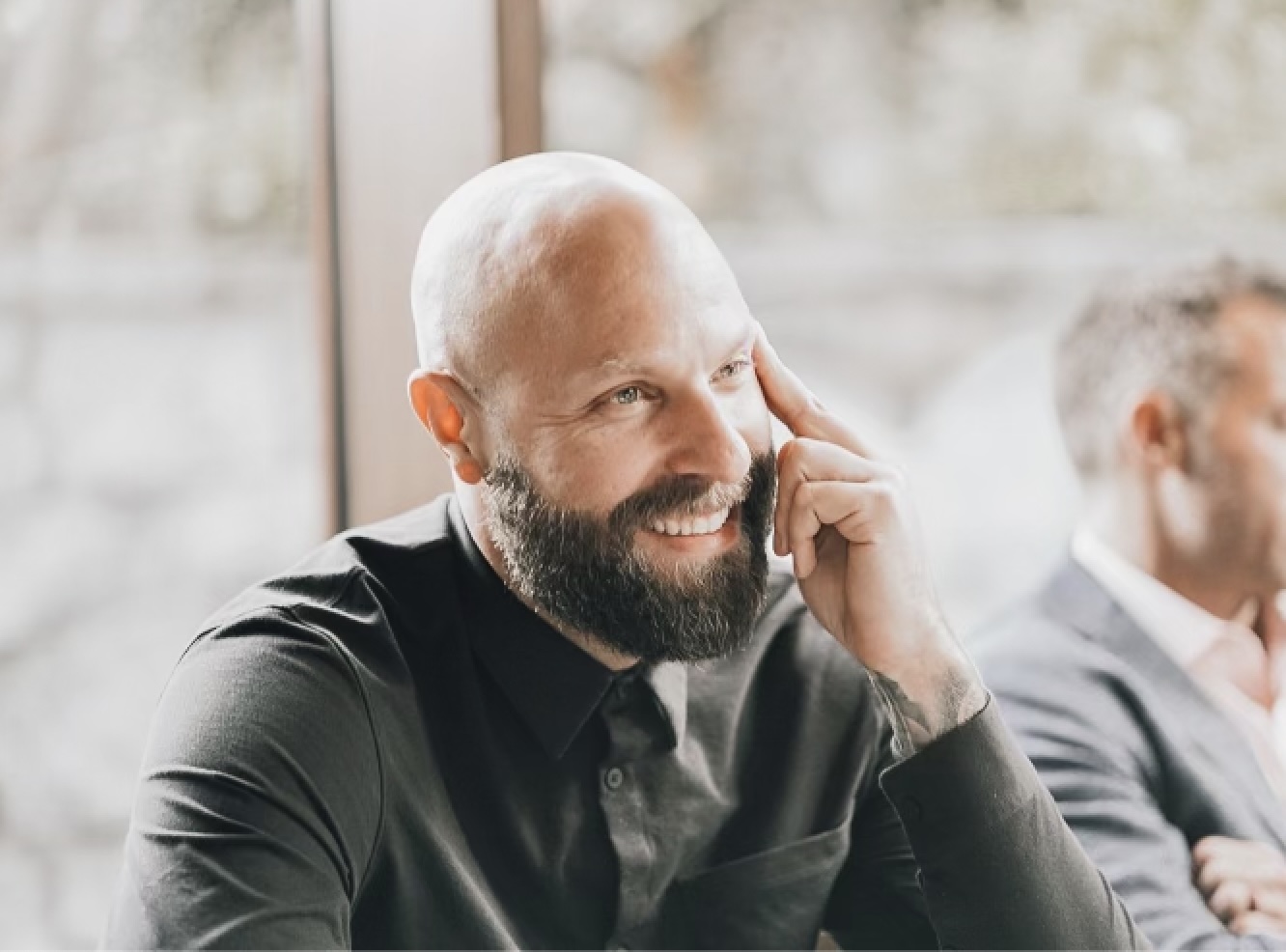
Chris Howard
Chris Howard is the founder of Lifestyle Interventions. Based in Los Angeles, he and the team support families across the United States.
When to call
Common family situations we work with
These are some of the most common patterns families bring to us. Yours may not match exactly. The first call clarifies whether our work is the right fit for your specific situation.
A parent has spent years managing an adult child in active substance use or cycling through treatment without lasting change.
A spouse is rebuilding a marriage after a partner returns from treatment or settles into the early months of recovery.
An adult child is now the responsible one for a parent in active substance use, often caught between siblings who see things differently.
A sibling has quietly carried the logistics and emotional weight while parents are overwhelmed by a family member in crisis.
A family is in shock after a recent overdose, hospitalization, treatment admission, or intervention and needs help with what comes next.
A family is grieving the loss of someone to addiction while still supporting other members in recovery or in active use.
The process
What family support looks like in practice
Every engagement follows a structured five-step cadence, shaped by the family’s situation rather than a fixed program.
First call
Initial family inventory.
We meet to understand the family system, the person at the center of the situation, the history, what has been tried, and what each family member is hoping for. The first call is at no cost and carries no obligation.
Week 1
Engagement plan.
We agree on who participates, in what formats, and on what cadence. Some families work with us through one or two designated family members. Others bring in the whole family for periodic sessions. The plan is shaped by the situation, not by a fixed program.
Months 1 to 3
Regular cadence.
Most engagements involve weekly or twice-weekly sessions in the early months, in person across Greater LA or by secure video. Sessions focus on the specific work the family is doing that week: a conversation that needs to happen, a boundary that needs to be set, a pattern that needs to change.
As needed
Whole-family sessions.
Periodically, we bring the family together for a longer working session. This may happen monthly, quarterly, or only when the situation calls for it. The structure is determined by what the family needs, not by a template.
Year 1 and beyond
Long-term availability.
The relationship does not end on a fixed date. Most families taper to monthly or quarterly check-ins after the intensive work stabilizes. We stay available for crisis support, transitions, and the predictable hard stretches that follow.
Who we serve
Who family support is for
Parents of an adult child in active use
Years of managing an adult child in active substance use, or cycling through treatment programs, or refusing help. The parent has tried everything they know how to try, and they are running out of energy.
Sounds like:
- “We have done everything we can think of.”
- “Every conversation turns into the same argument.”
- “We do not know who we are outside of this.”
Spouses rebuilding in early recovery
The person has just come home from treatment, or is some months into recovery. The marriage survived the active phase, but the work of rebuilding has barely started. The spouse needs structure for what comes next.
Sounds like:
- “We never really talked about what happened.”
- “I do not know how to trust again.”
- “The marriage feels like strangers living together.”
Adult children of a parent in active use
The roles have inverted. The adult child is now the responsible one. They are tired, sometimes angry, and often caught between siblings who see the situation differently.
Sounds like:
- “I am parenting my parent now.”
- “My siblings refuse to deal with it.”
- “I never signed up for this.”
Families in shock after a recent crisis
A recent overdose, hospitalization, treatment admission, or intervention. The family is in shock. They need help processing what just happened and figuring out how to support what comes next without losing themselves.
Sounds like:
- “We did not see it coming.”
- “What happens after they come home?”
- “We need help and we do not know where to start.”
Why us
Why Los Angeles Families Choose Lifestyle Interventions
16+
Years of practice
Founder Chris Howard has worked with Los Angeles families on the family-side work for more than sixteen years. The pattern recognition is built from hundreds of families.
Pro
Credentialed practitioner
Chris Howard holds CADC-III (Sober College) and CCMI-M (Breining Institute) with a B.A. in Psychology from UCLA. Family support work requires professional training; we deliver it.
100%
Discretion non-negotiable
We work with families whose situations require the highest level of privacy. That standard applies to every family, regardless of profile.
The difference
Built for the long haul
We are not built around a thirty-day window. Acute care has a clear place, and we coordinate it when needed. But the family work that holds a household together happens outside those short windows.
| Acute treatment window | 30 days |
| Lifestyle Interventions engagement | Weeks → months → years |
The family conversations that change how a household functions, the steady honest contact that helps a family rebuild trust, the coaching that gets a family unstuck week after week. That kind of work cannot be measured in 30-day blocks, which is why we do not try.
Service area
Where We Work Across Greater Los Angeles
We work with families in person across Los Angeles County and the surrounding regions. Common service areas include:
|
For families outside Greater Los Angeles, we provide family support by secure video, with periodic in-person sessions when situations allow. See also our pages on recovery mentoring, crisis interventions, and signature support services.
What to expect What to Expect When You CallThe first call is a confidential conversation. There is no obligation, no pressure, and no enrollment process at the start. We will ask about the situation: the family, the person at the center of it, the history, what has been tried, and what each family member is hoping for. We will listen first. By the end of the call, you will have a clear sense of whether family support services are the right next step, what the cadence and structure would look like, and what the alternatives are if our work is not the right fit.
|  |
 | Frequently asked Common Questions About Family Support Services in Los AngelesIs family support the same as family therapy?+No. Family therapy is clinical work performed by licensed family therapists, focused on trauma, relational patterns, and mental health. Family support services are professional coaching, education, and accountability for the family system, focused on practical week-to-week change. Many families work with both at the same time. Do all family members need to be involved?+No. We work with whatever family configuration is realistic. Some families engage us through one or two designated members who do the bulk of the work. Others bring in the whole family for periodic sessions. The structure is shaped by the situation, not by a fixed program. What if my loved one is not in recovery yet?+Family support services are useful at every stage. We work with families whose loved one is in active substance use, in treatment, in early recovery, in long-term recovery, or somewhere in between. The work changes depending on where the person is, but the family’s need for support is constant. How is this different from Al-Anon or Nar-Anon?+Al-Anon, Nar-Anon, and similar mutual support groups are peer-based, voluntary fellowships with their own programs and steps. They are valuable resources and many of our clients attend them. Family support services are professional, with a credentialed practitioner, and focused on practical coaching rather than a defined program. The two often work well together. Do you work with adult children of alcoholics or addicts?+Yes. Adult children of parents with substance use issues are a significant portion of our family support work. The situation has its own pattern, and we have worked with many adult children navigating the inverted-roles dynamic. How long does family support last?+There is no fixed length. Many families work with us intensively for three to six months after a precipitating event (an intervention, a treatment admission, a relapse), then taper to monthly check-ins, then taper again to occasional contact. The door stays open for years in most cases. Can you help a family that has lost someone to addiction?+Yes. Grief alongside the ongoing situation of other family members in recovery or in active use is one of the hardest patterns we work with. We approach it with the care it deserves and coordinate with grief therapists and bereavement professionals where appropriate. How do I get started?+Call 866-826-0985 or request a confidential consultation. The first conversation is at no cost and carries no obligation. |
When you are evaluating treatment options for a loved one in Los Angeles, a structured checklist helps. Free guide: 7 questions to ask before choosing a treatment center.