
Interventionist in Manhattan Beach
Some people hold it together in public and fall apart at home.
As featured in







The short answer
An interventionist in Manhattan Beach helps a family plan and hold a structured conversation with a loved one who is struggling. These conversations happen quietly and on your terms. I plan around work, travel, and whatever the household actually looks like. Based in Los Angeles, the practice supports families in Manhattan Beach, across California, and nationwide.
What we do
What is an interventionist?
Definition
An interventionist is a trained professional who helps a family plan and hold a structured conversation with a loved one who is struggling, and helps map the next step toward support.
I help you plan the conversation, get ready for pushback, and have a real option lined up before anyone sits down. I’m not a therapist and I’m not a treatment provider. I’m the person who helps you get from stuck to a next step.

Who we serve
When they still look fine from the outside
This is one of the most common situations I see, and one of the loneliest. Your loved one is still functioning. The job’s intact. The friends still think everything’s fine. So when you try to explain it, it sounds smaller than it is. People tell you not to worry.
Here’s what I’d tell you if you called me. Someone doesn’t have to lose everything before a family is allowed to act. The rock bottom idea has kept a lot of families waiting while things quietly got worse. You don’t have to wait for a disaster to have a conversation.
Confidentiality
When you’re the one covering
Privacy is central to how we work. We understand that visibility and reputation can weigh on a family's decision to seek help.
Every conversation with us is confidential, and we plan each step with your family's privacy in mind.
The process
The two approaches I use
The Johnson Model is a direct, prepared conversation where the family speaks together with one message. The Invitational Model brings your loved one in from the start, without surprise.
When someone is holding tightly to the idea that they’re fine, the approach matters a lot. We’ll pick the one that fits before anything is scheduled.

Why us
Why families and clinicians choose us
CADC-III
Credentialed
Founder Chris Howard holds the Certified Alcohol and Drug Counselor credential (Sober College), one of the highest-level counseling credentials in California.
CCMI-M
Intervention-specific
Chris also holds the Certified Case Manager Interventionist credential (Breining Institute), the dedicated intervention-methodology credential. The strongest practitioners hold both.
16+
Years of practice
Chris’s more than sixteen years of guiding LA families through interventions. Hundreds of families. Real practice, not theory.
Privacy
Handled without an audience
A lot of the families I work with care deeply about privacy, and for good reason. Reputation, work, and community are all real considerations.
These conversations happen quietly and on your terms. I plan around work, travel, and whatever the household actually looks like.
I’m based in Los Angeles and work with families in Manhattan Beach and the surrounding areas, and I travel nationally when needed.
Who we help
Who we help
I work with families facing substance use, alcohol concerns, prescription misuse, and mental health struggles.
The approach is always shaped by the person and the family, not by a rigid template.
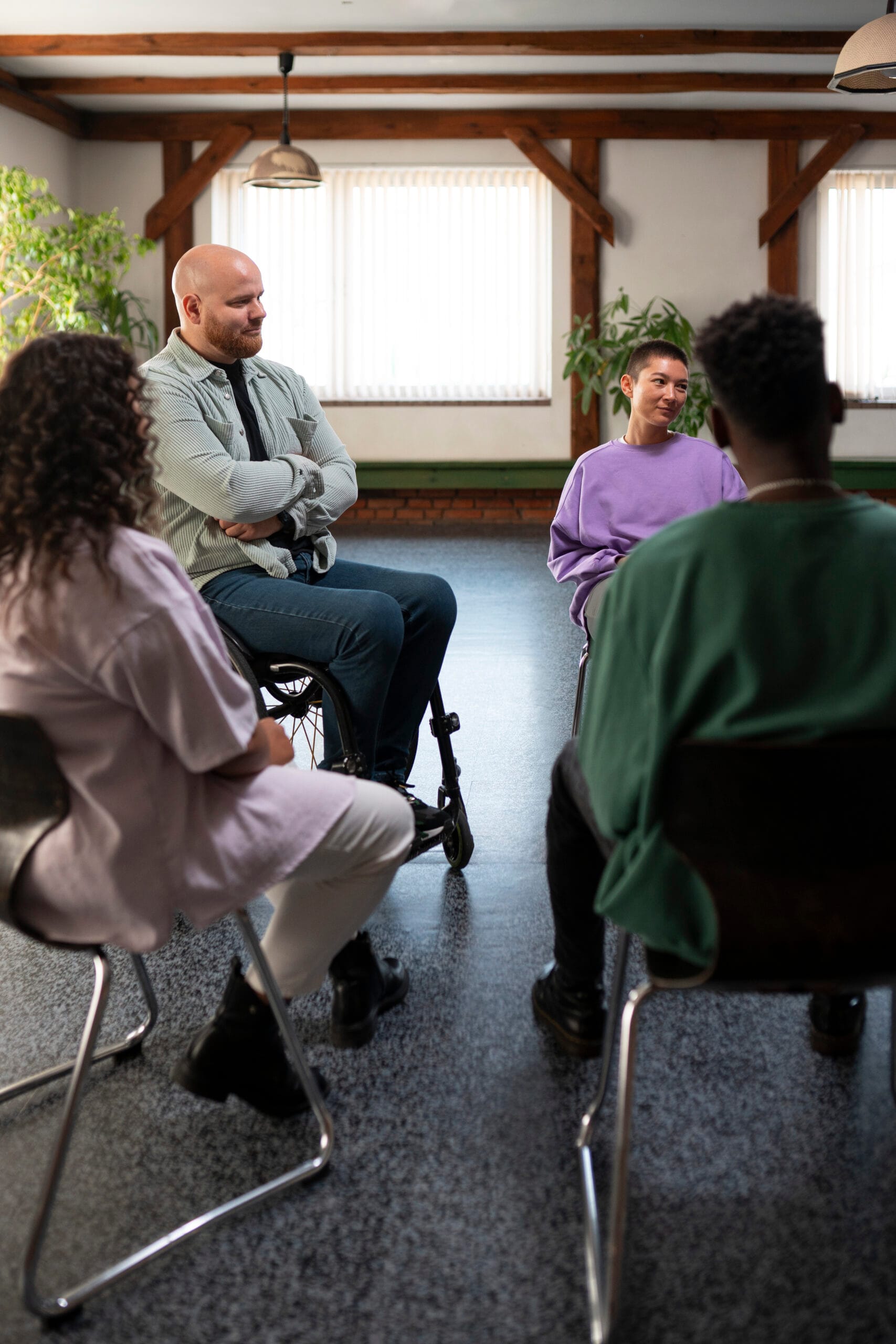
What to expect What to Expect When You CallThe first call is a confidential conversation. There is no obligation, no pressure, and no enrollment process at the start. For families, we will ask about the situation, the person, the history, and what has been tried. By the end of the call, you will have a clear sense of whether our work is the right fit and what the alternatives are if it is not. For clinicians, we will ask about the patient, the family system, and the clinical context. We will tell you honestly whether an intervention is what the situation needs, or whether something else is more appropriate.
|  |
Talk with us
If you’re the one holding it together
If you’re reading this late at night, you’re not the only one. When your family is ready to stop managing this alone, a confidential conversation is a quiet first step. Call 866-826-0985.
Frequently asked Frequently asked questionsHe’s still working. Is it really bad enough?We are based in Los Angeles and support families in Manhattan Beach. We come to you and plan around your family's needs. Do we have to wait for rock bottom?No. I built this practice against that idea. A prepared conversation can create a moment of clarity long before a crisis does. Can this be done without anyone knowing?Yes. Planning around privacy is a normal part of the work, not a special request. What if she gets angry?She might, and that’s okay. Anger is common, and preparation is exactly what keeps it from derailing the conversation. Do you provide treatment?Yes. I’m based in Los Angeles and work with families in Manhattan Beach and the surrounding areas, and I travel nationally when needed. Do you provide treatment?No. I’m an advisory service. When treatment is the right step, I coordinate with licensed providers. |